/

We create world-class projects from the urban subway to modern transport hubs and high-speed highways.

0%

loading

METROGIPROTRANS — SETTING STANDARDS SINCE 1933

We create world-class projects from urban subways to modern transport hubs and high-speed highways

90+

years of experience

100+

cities

2000+

projects
background image
background image
background image
background image
background image
background image
background image
background image
background image
background image
background image

project

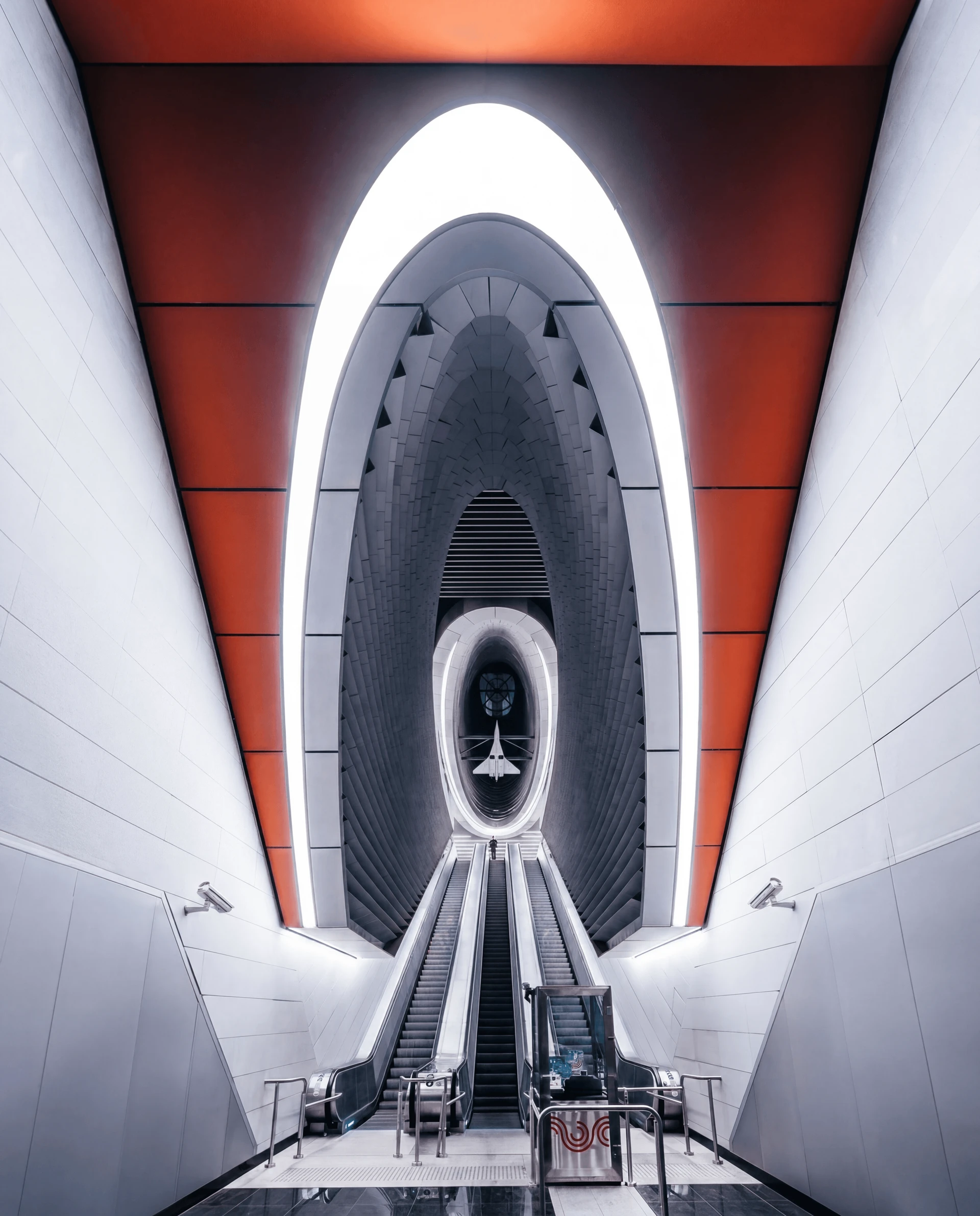
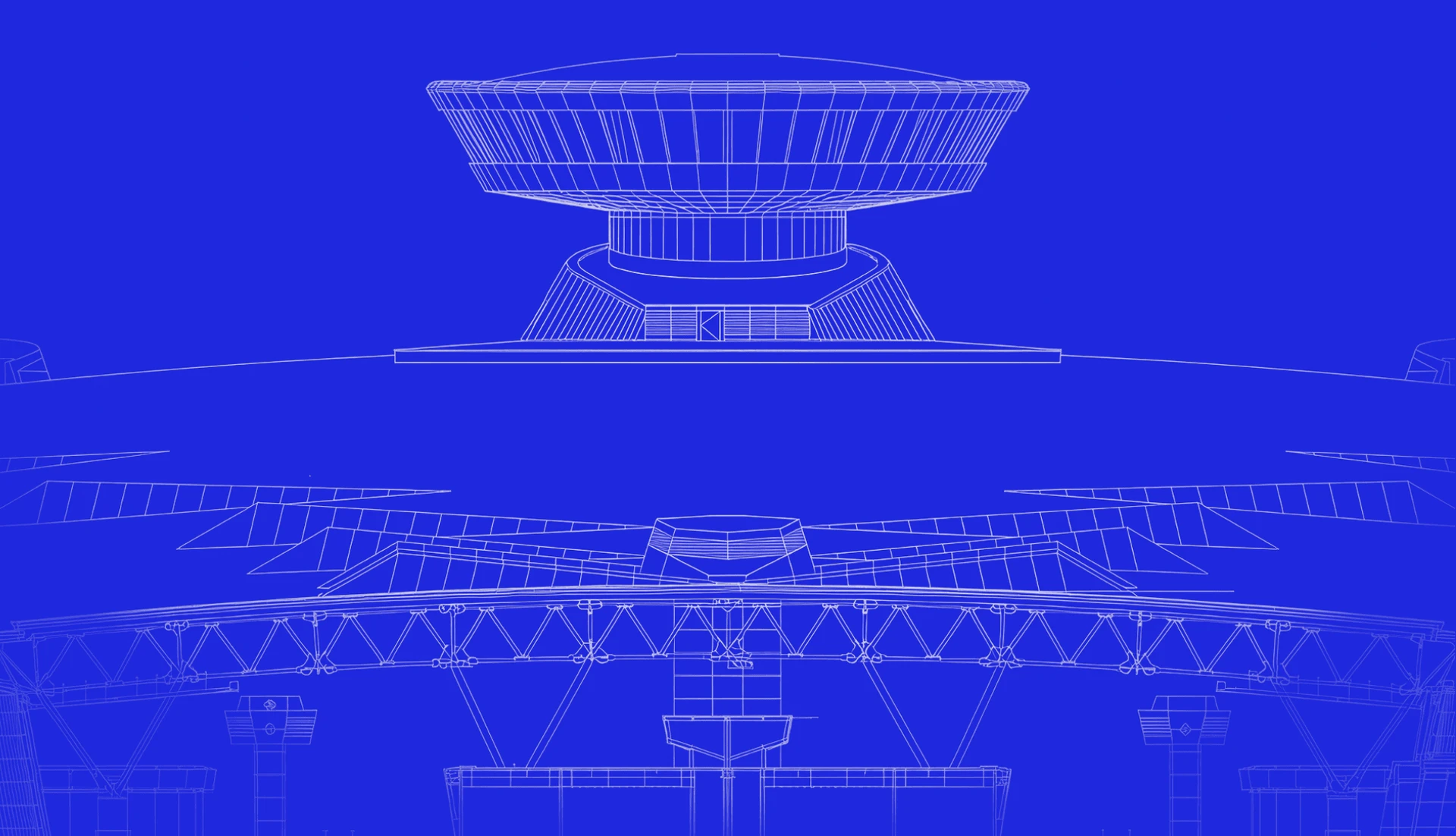
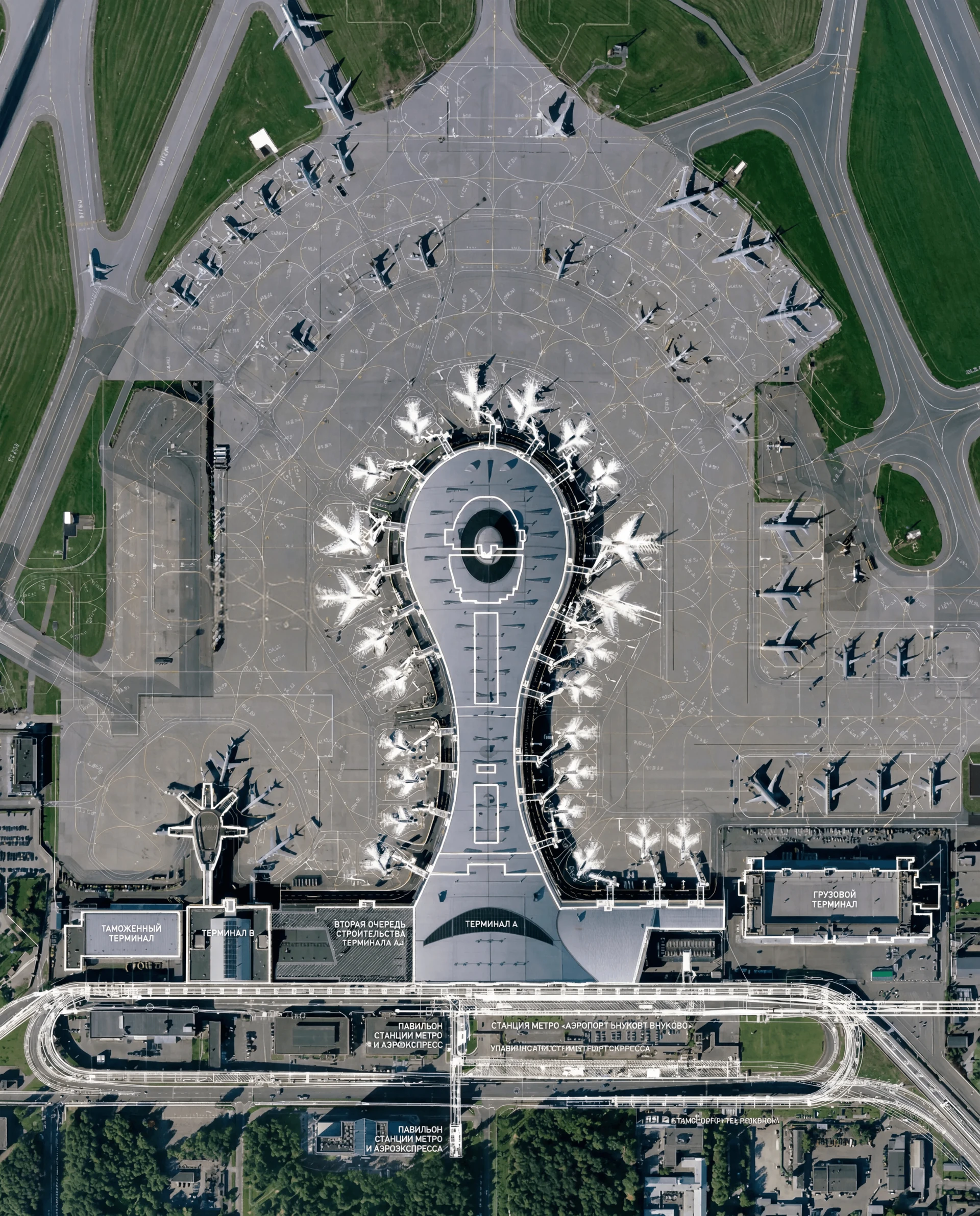
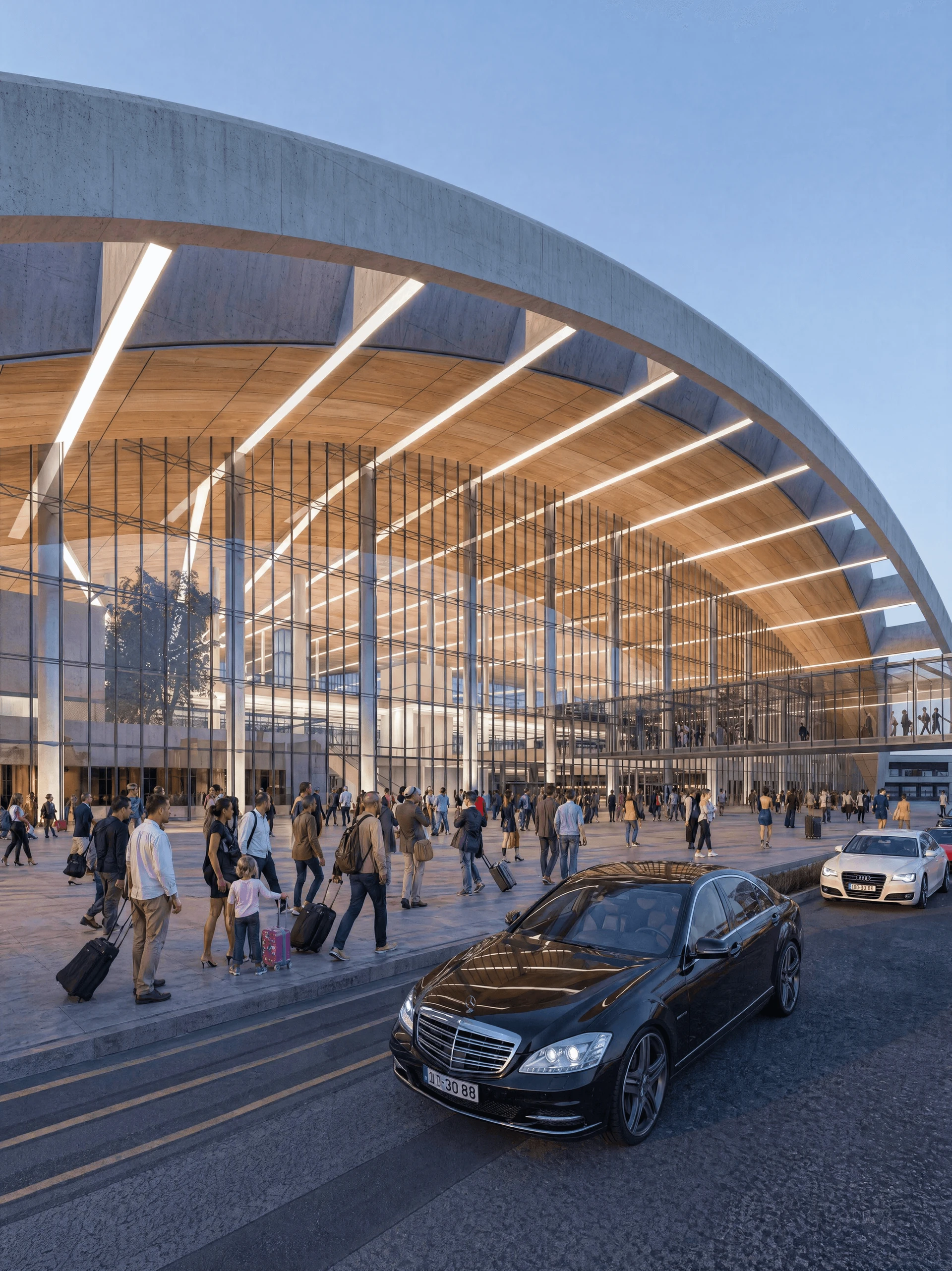
Vnukovo airport complex

International airport in Moscow with its own underground Aeroexpress railway station, metro station, and the shortest transfer between domestic and international flights.

city

Moscow

Commissioned in

2012

[01] / Projects

2000+ transport infrastructure projects have been implemented worldwide

project card image

Moscow / 2012

Vnukovo airport complex

project card image

Moscow, Petushki, Cheboksary, Nizhny Novgorod, Kazan

High-speed railway «MOSCOW-KAZAN-EKATERINBURG» (HSR-2)

project card image

Moscow / 2023

Moscow metro big circle line (BCL)

project card image

Moscow / 2023

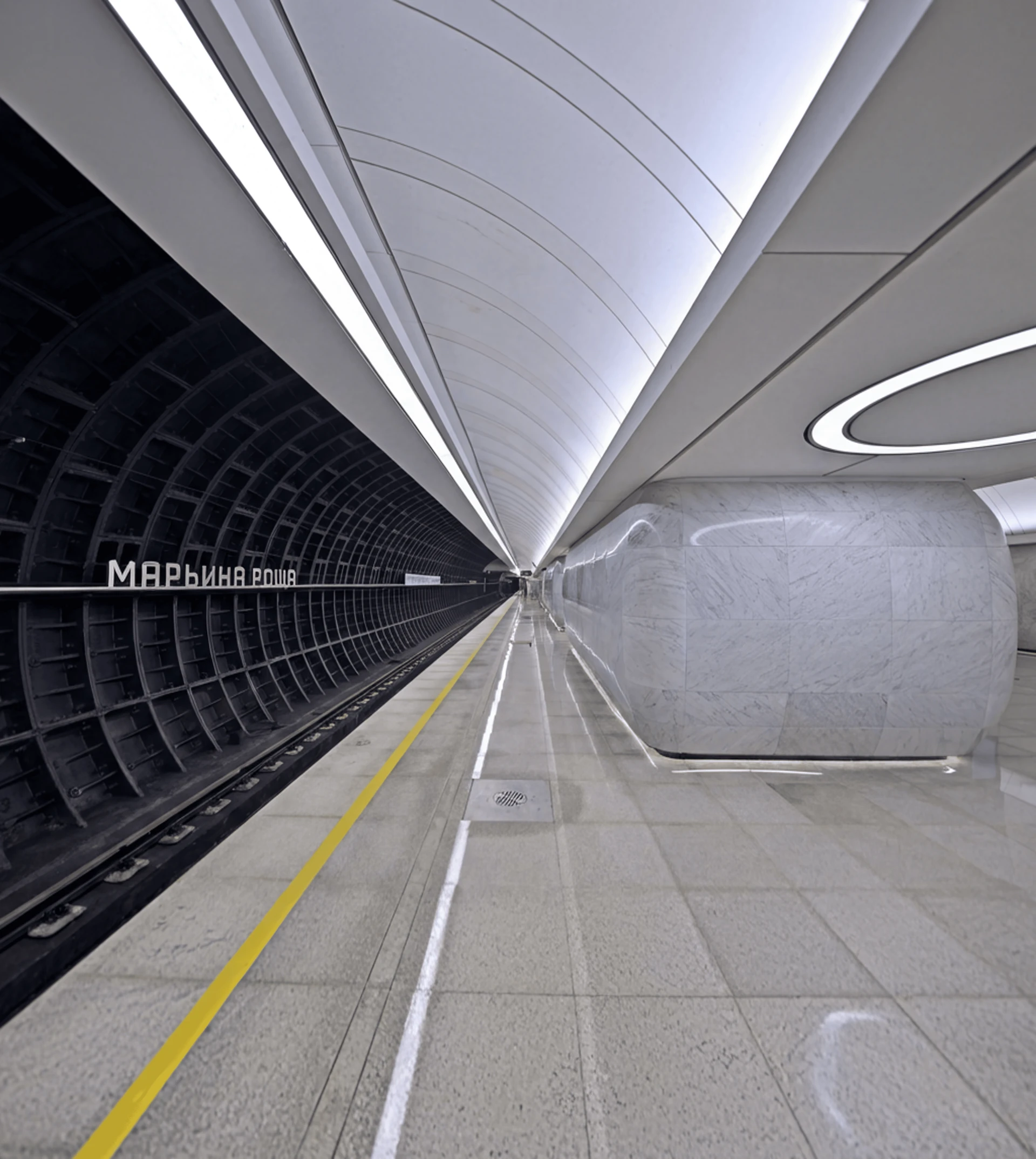
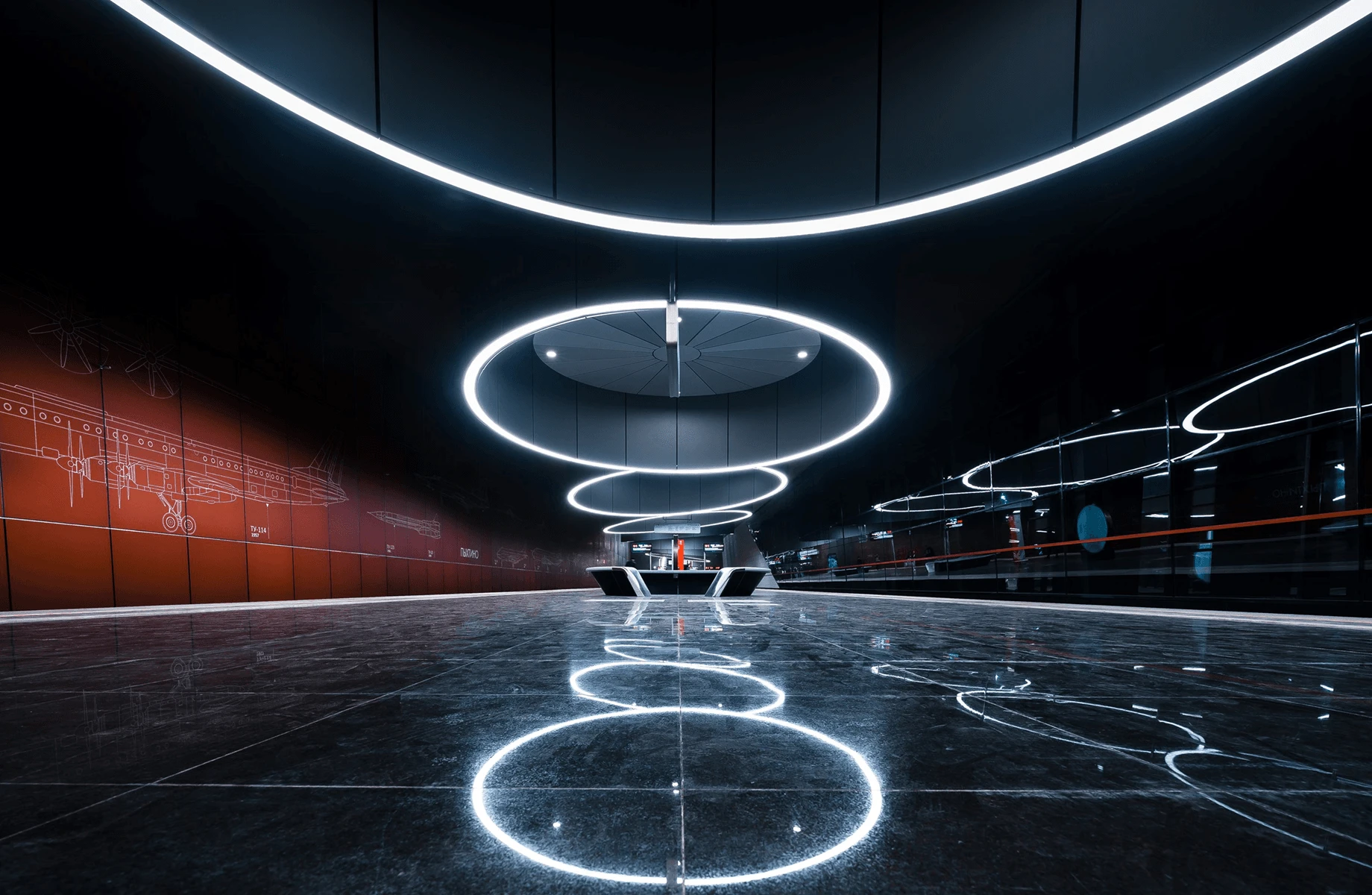
Pykhtino — Vnukovo airport section of the Solntsevskaya metro line

project card image

Moscow / 2005

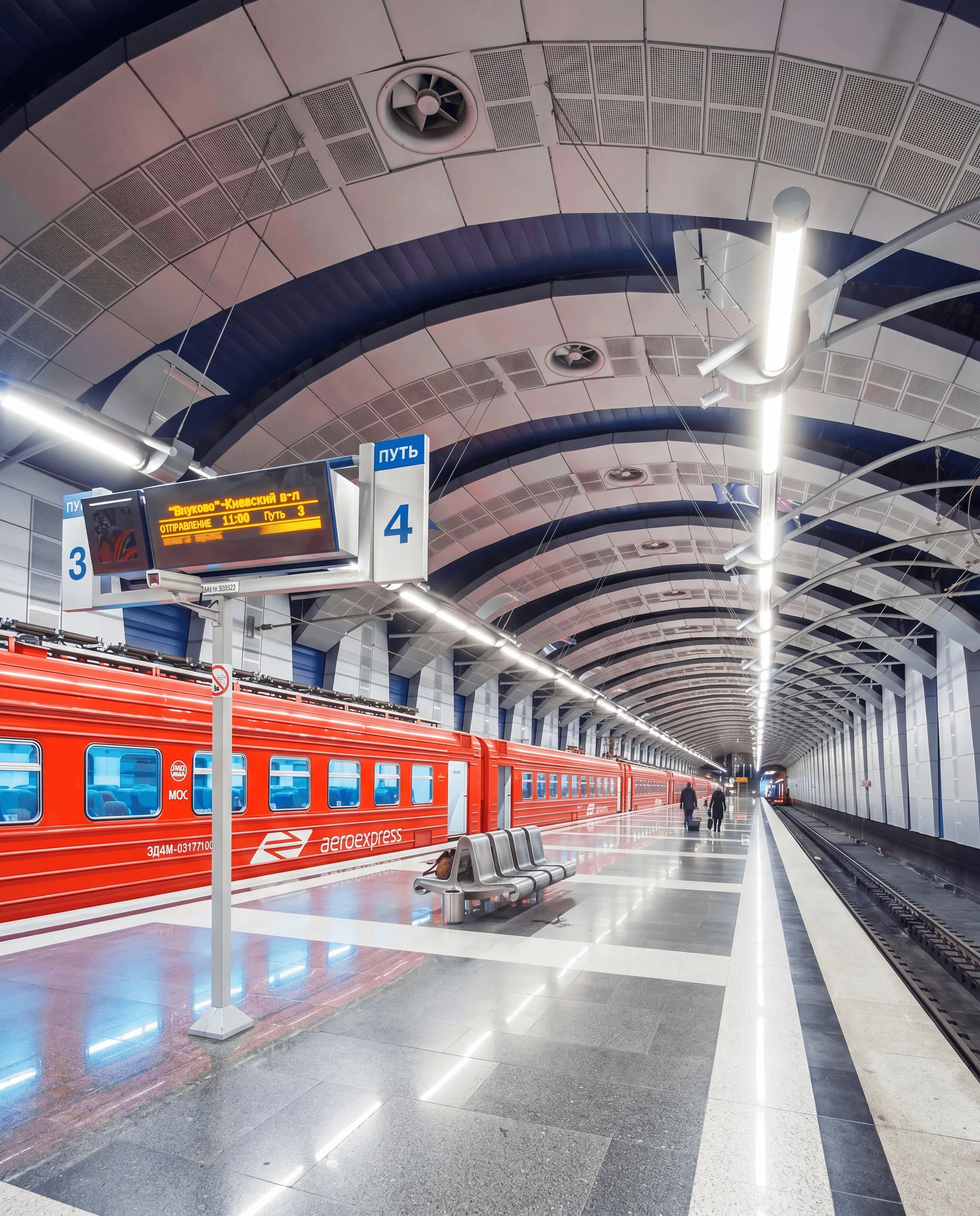
Vnukovo airport railway station

project card image

Yerevan, Republic of Armenia

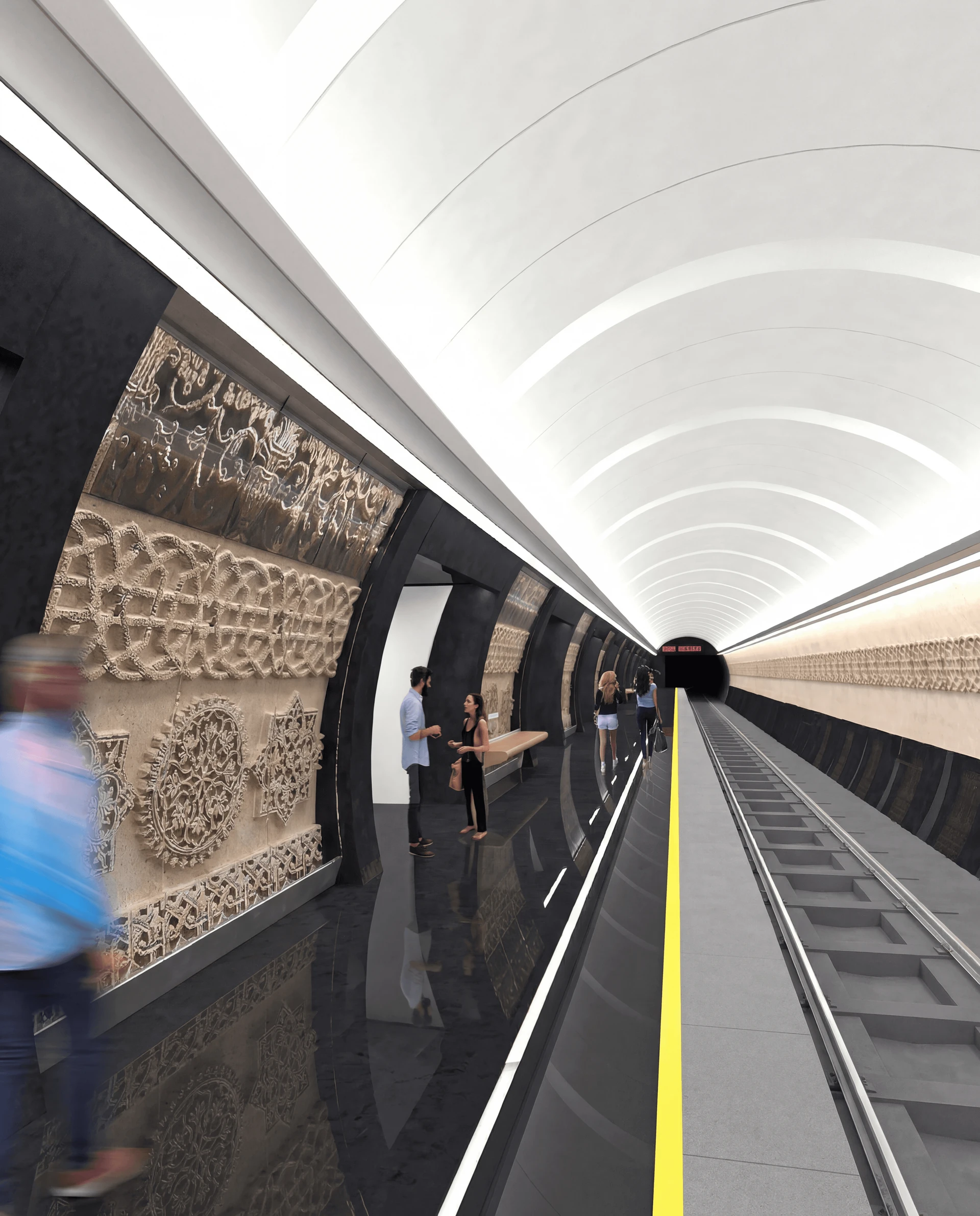
Ajapnyak metro station

project card image

Moscow / 2000

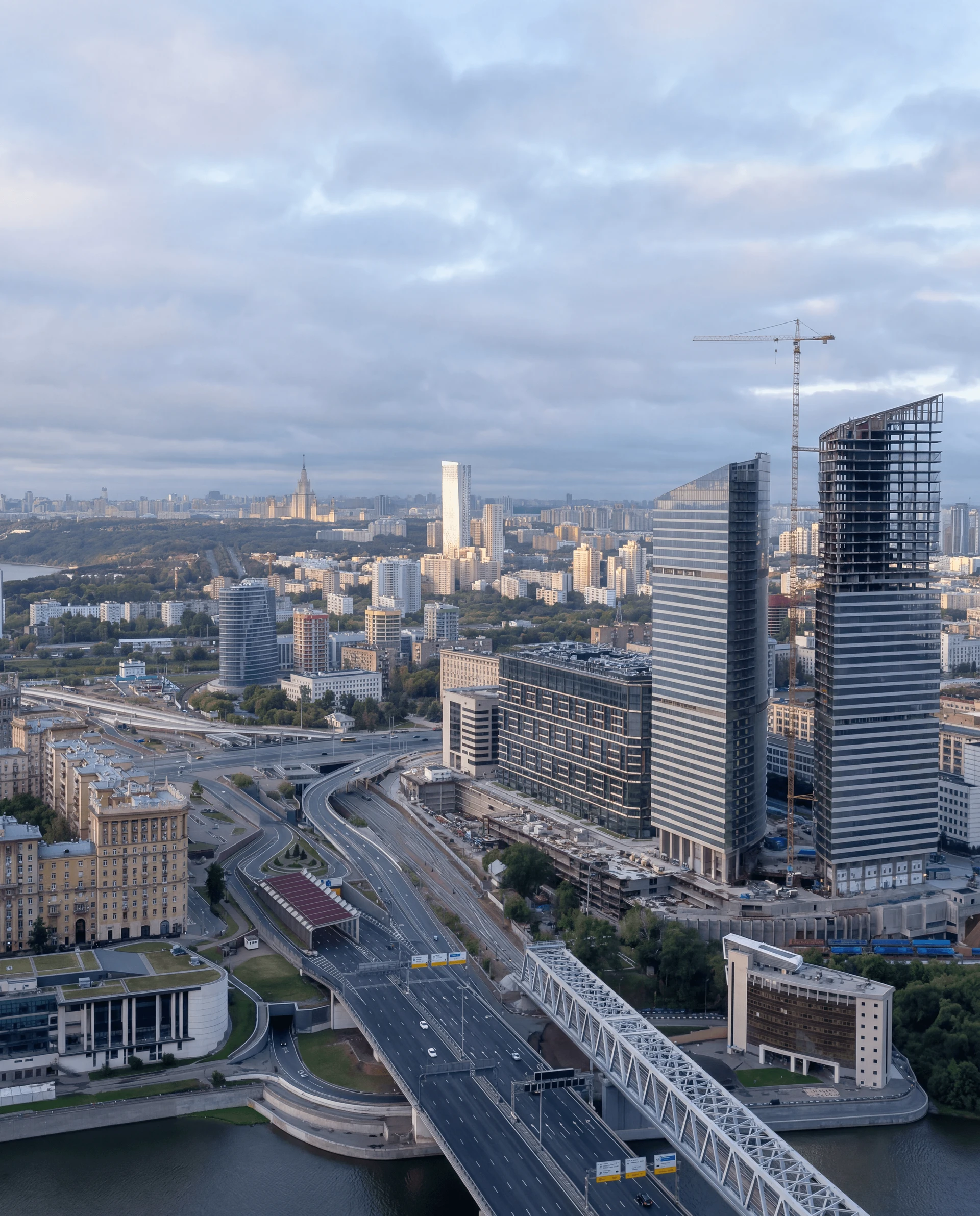
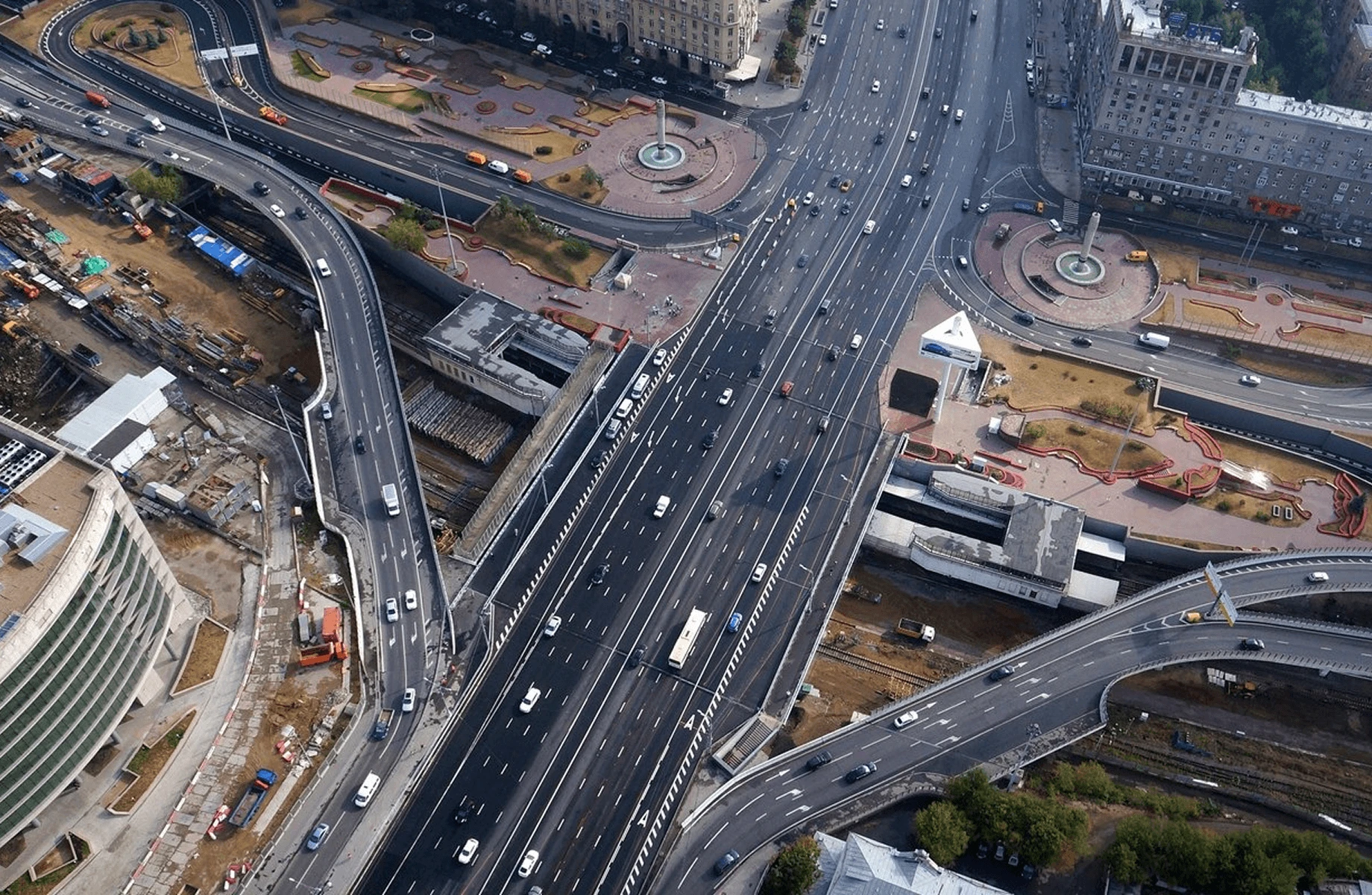
Kutuzovskaya transport interchange

project card image

Moscow / 2003

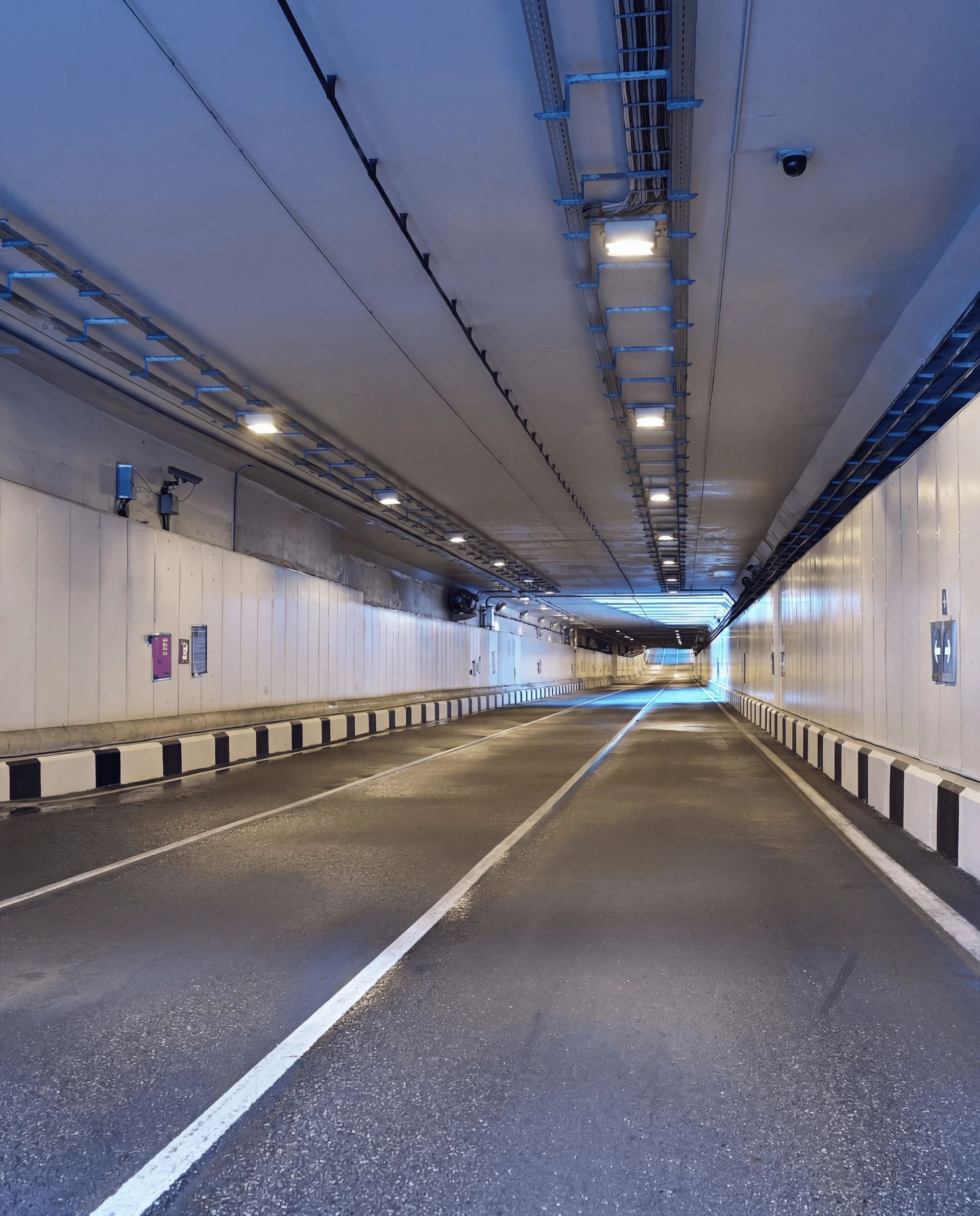
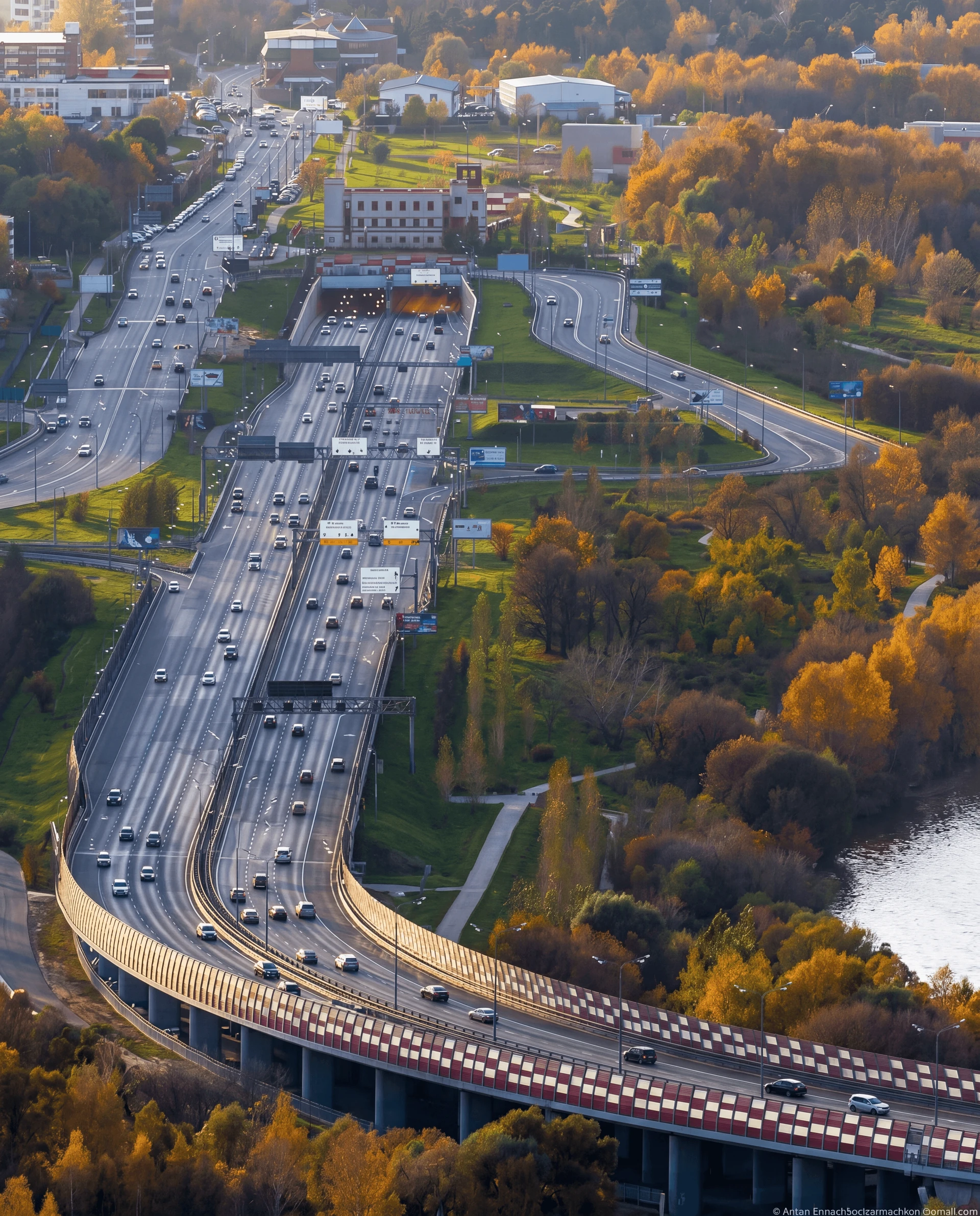
Lefortovsky tunnel

project card image

Moscow / 2007

North-Western tunnel

project card image

St. Petersburg / 2025

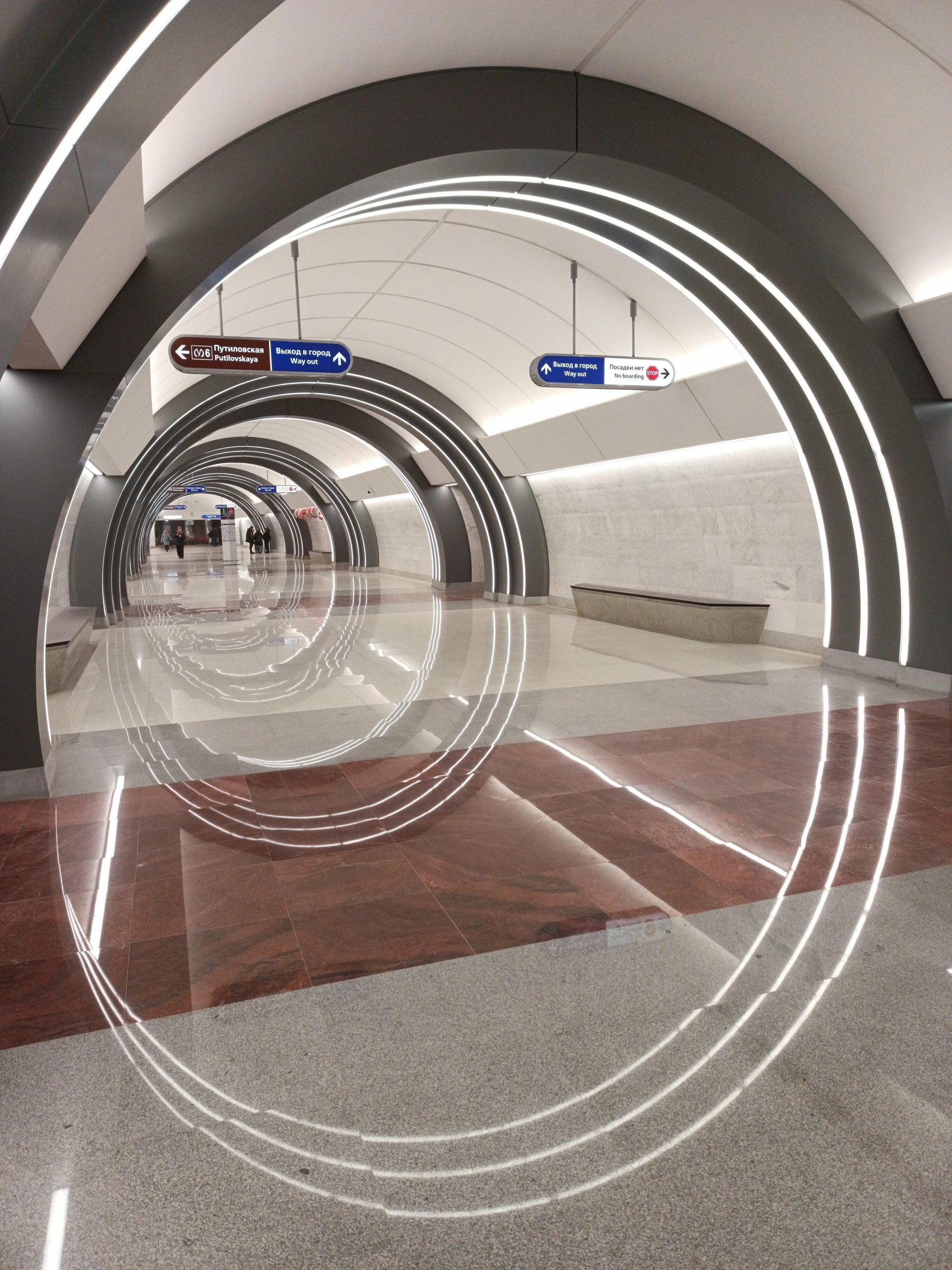
Putilovskaya — Yugo-Zapadnaya section of the Krasnoselsko-Kalininskaya line

project card image

Moscow / 2007

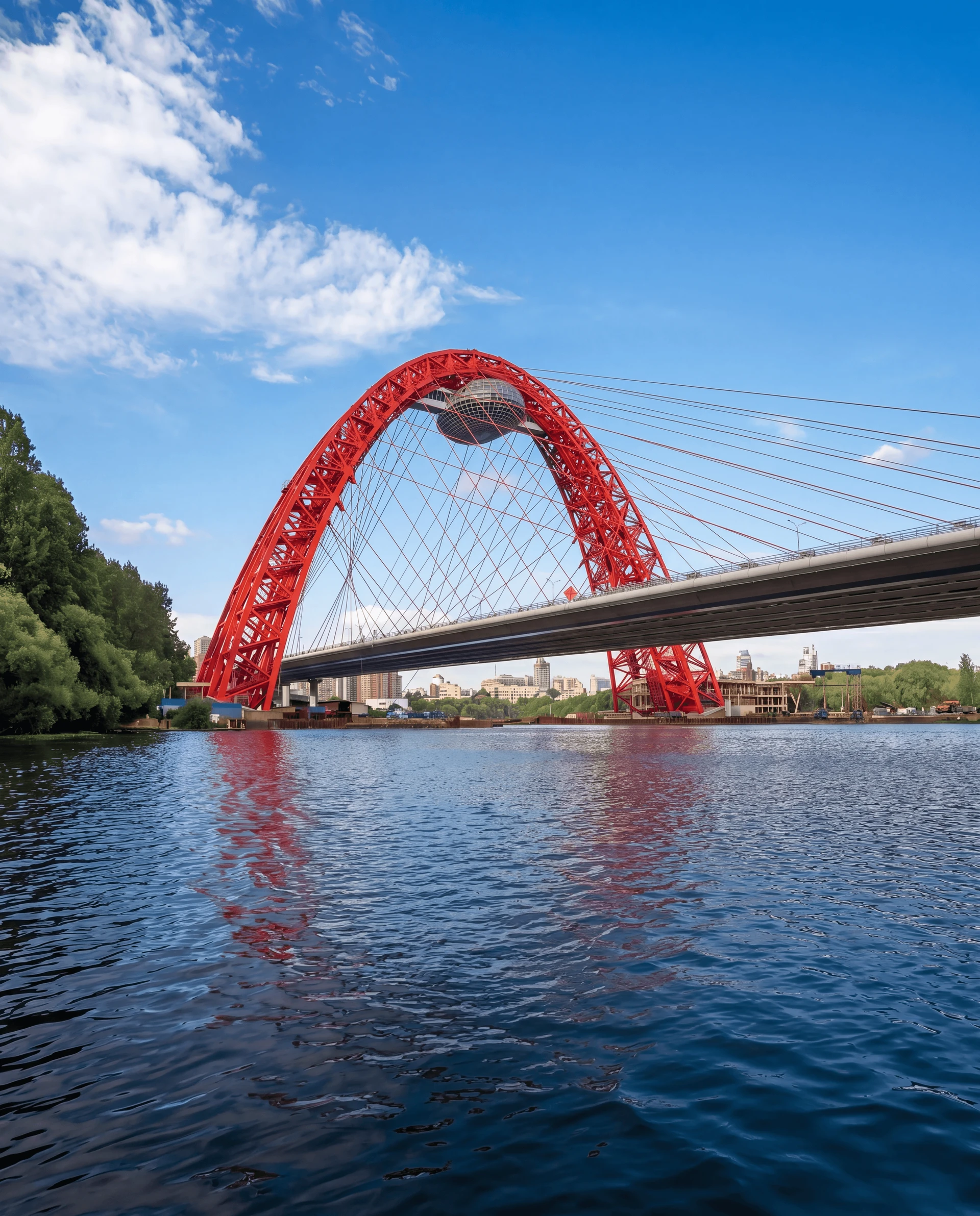
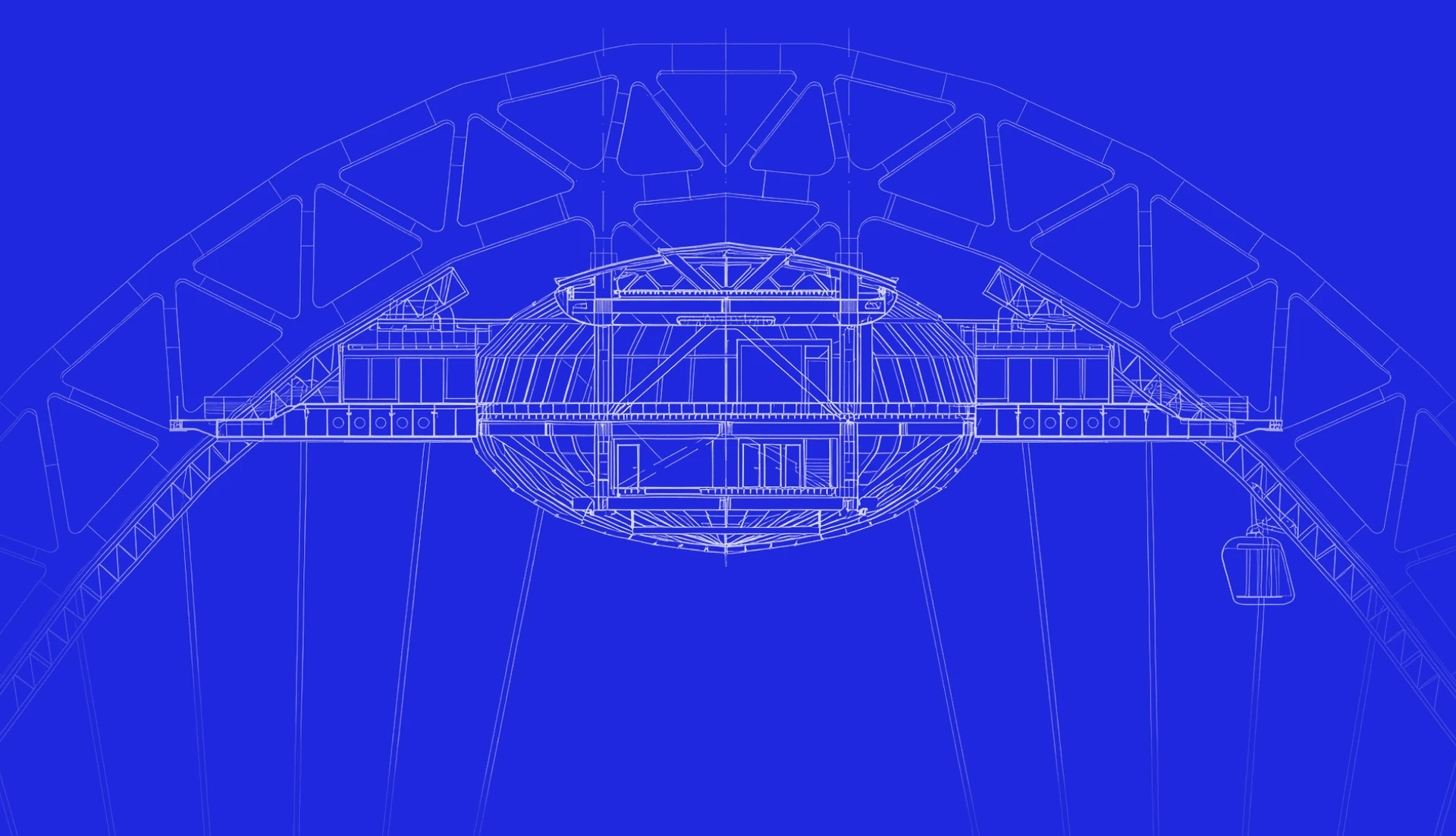
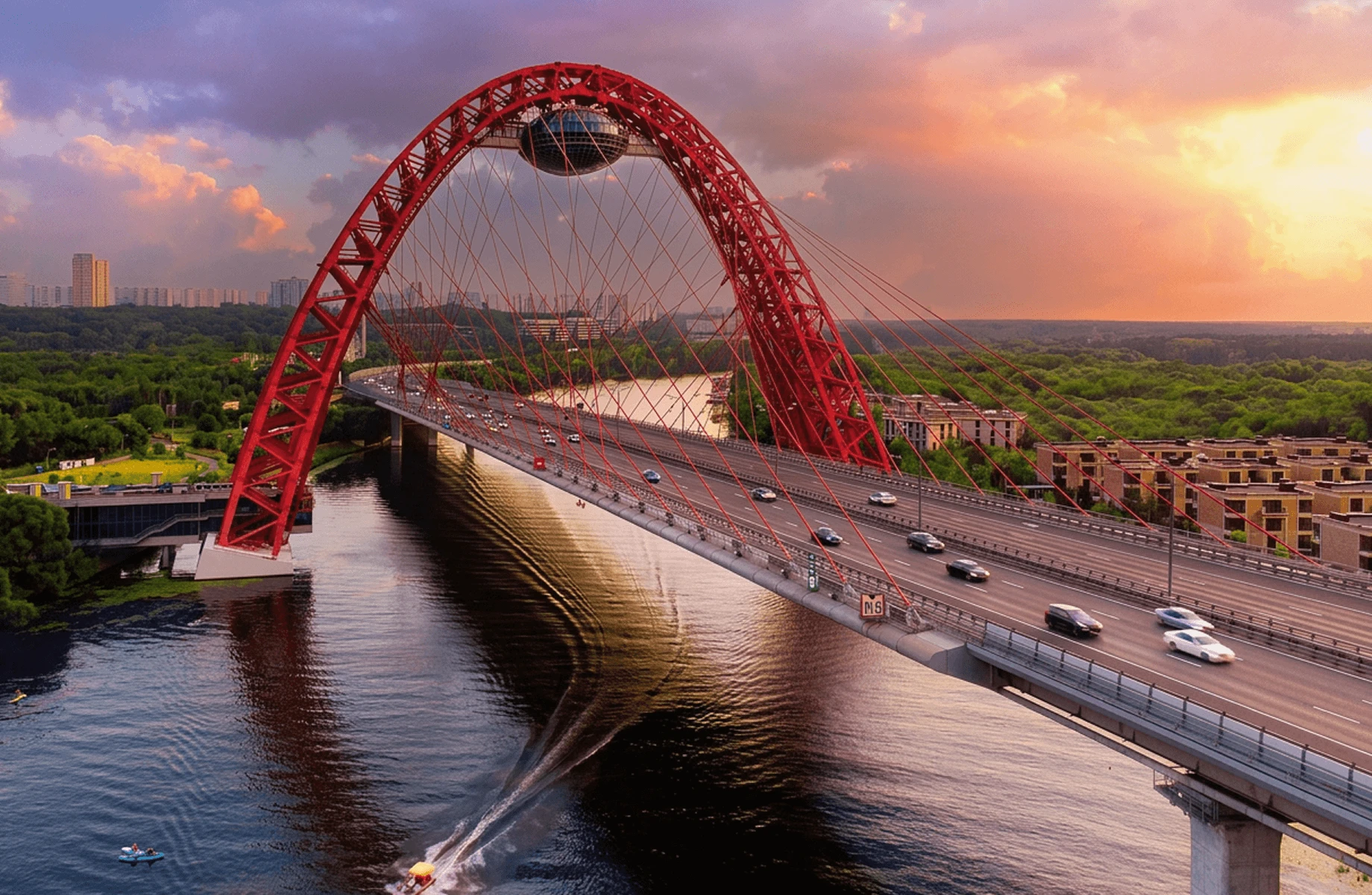
Zhivopisny bridge

2000+

projects

[02] / Competences

An integrated approach to solving problems of any complexity level

[k.1]

Architectural solutions

Head

L.L. Borzenkov

illustration

[k.2]

Engineering surveys

Head

M.A. Yudin

illustration

[k.3]

Route, Track, General plan

Head

I.S. Kaplevsky

illustration

[k.4]

Design solutions and construction organization

Head

L.V. Romadina, A.Y. Tsvetkov

illustration

[k.5]

Heating, ventilation, air conditioning, water supply

Head

L.I. Bogdanova

illustration

[k.6]

Electricity supply and lighting

Head

E.B. Lukina

illustration

[k.7]

Automation, telemechanics and communications

Head

I.F. Podgornaya

illustration

[k.8]

Construction cost calculation

Head

N.N. Turikova

illustration

[k.9]

Science and Innovation

Head

L.B. Nikandrov, D.S. Petunina

illustration

[k.10]

Construction monitoring

Head

E.A. Tsigichko, J.V. Roslyakova

illustration

[k.11]

Digital information modeling (BIM)

Head

A.V. Guryanov

illustration

[k.12]

Technical support for construction and designer’s supervision

Head

A.V. Tverdokhlebov

illustration

[03] / Company’s activities

We design unique structures underground and above ground.

activity image

[01]

activity image

Projects

Airports

350,000m2

of terminal space

Airport terminal complexes are modern, high-tech facilities that integrate underground, ground, and air transport into a single, user-friendly system.

  • Vnukovo is the first international airport complex in Russia to integrate an underground railway station and a metro station.
    • Vnukovo’s maximum passenger traffic is 24 million people per year (one of the top three busiest airports in Russia).
      activity image

      [02]

      activity image

      Projects

      Metro and Tunnels

      2,100km

      of tunnels

      425+

      metro stations

      Distinctive features of underground linear structures are their recognizable architectural appearance and original design solutions. Thoughtful route planning significantly reduces travel times.

      • 28 metro systems in Russia and worldwide
        • First in the world:
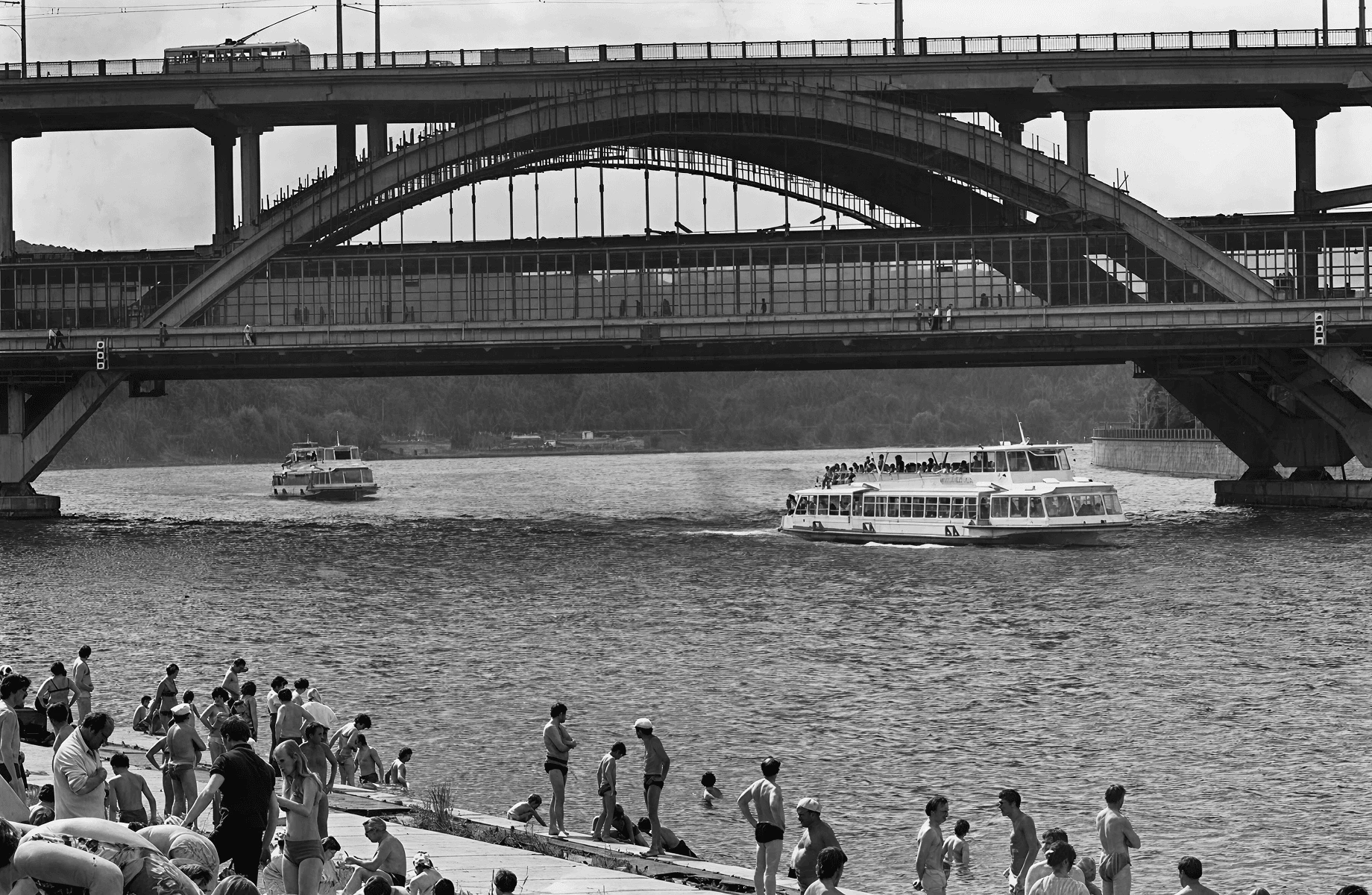
          • a metro station located above the river on the lower level of a highway bridge — Vorobyovy Gory

          • a tunnel that combines a highway and a metro line on different levels — the North-Western Tunnel

        • First in Russia:
          • an airport metro station — Vnukovo Airport

          • a light rail line

        • Moscow Metro:
          • 218 stations designed (>80%)

          • 48 stations are cultural heritage site

        activity image

        [03]

        activity image

        Projects

        Bridges and Roads

        1,800km

        of bridges, including overpasses

        100km

        of highways, including interchanges and flyovers

        Bridges, highways, and interchanges have a striking, distinctive appearance and ensure reliable operation through the use of the latest engineering technologies and designs.

        • The first cable-stayed bridge in Moscow — Zhivopisny Bridge
          • 12 of Moscow’s 12 metro bridges

        activity image

        [04]

        activity image

        Projects

        Railways and Infrastructure

        1,500km

        of railways

        Railway infrastructure projects are based on unconventional, innovative solutions, creating facilities that are unique in Russia. They stimulate the harmonious development of the country’s regions and improve logistics, connecting territories and cities.

        • Russia’s first and only underground railway station integrated into airport infrastructure
          • Vnukovo

        • Russia’s first high-speed railway project
          • HSR-2

        activity image

        [05]

        activity image

        Projects

        Industrial and civil construction (ICC)

        1,500m2

        of residential complexes, business centers, and hotels

        Industrial and civil construction projects meet the highest modern standards of quality, comfort, and safety. The originality of the concepts is complemented by functionality, pragmatism, and thoughtfulness.

        [01]

        activity image

        Projects

        Airports

        350,000m2

        of terminal space

        Airport terminal complexes are modern, high-tech facilities that integrate underground, ground, and air transport into a single, user-friendly system.

        • Vnukovo is the first international airport complex in Russia to integrate an underground railway station and a metro station.
          • Vnukovo’s maximum passenger traffic is 24 million people per year (one of the top three busiest airports in Russia).

            We’ve been developing complex transport infrastructure for 90 years.

            document poster

            Book

            «Metrogiprotrans 90 Years»

            PDF

            background image

            source

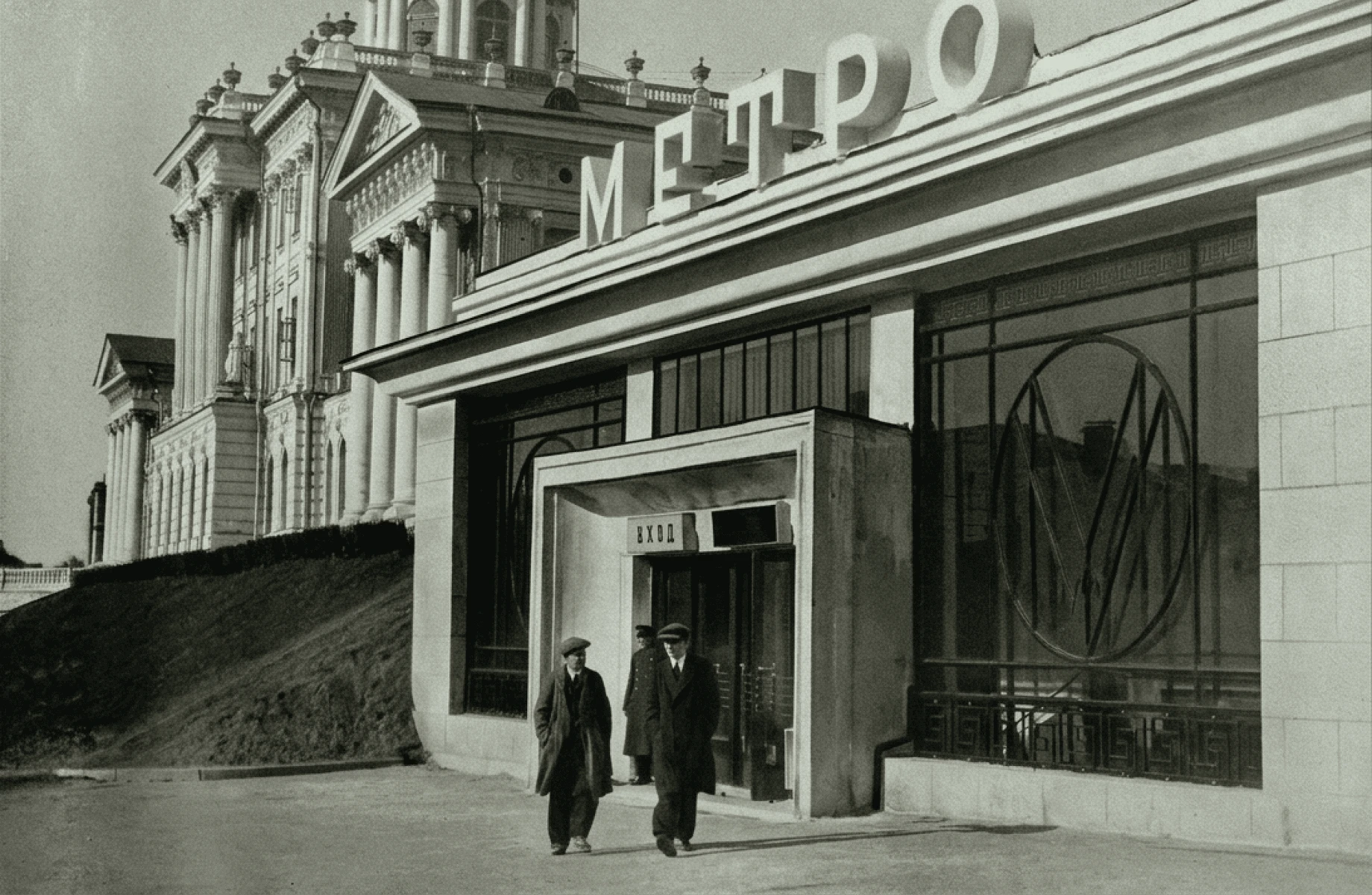
            Theabove-ground vestibule of the Biblioteka imeni Lenina metro station/From the book «Architecture of the Soviet Metro» (1936)/ussr.totalarch.com
            background image

            source

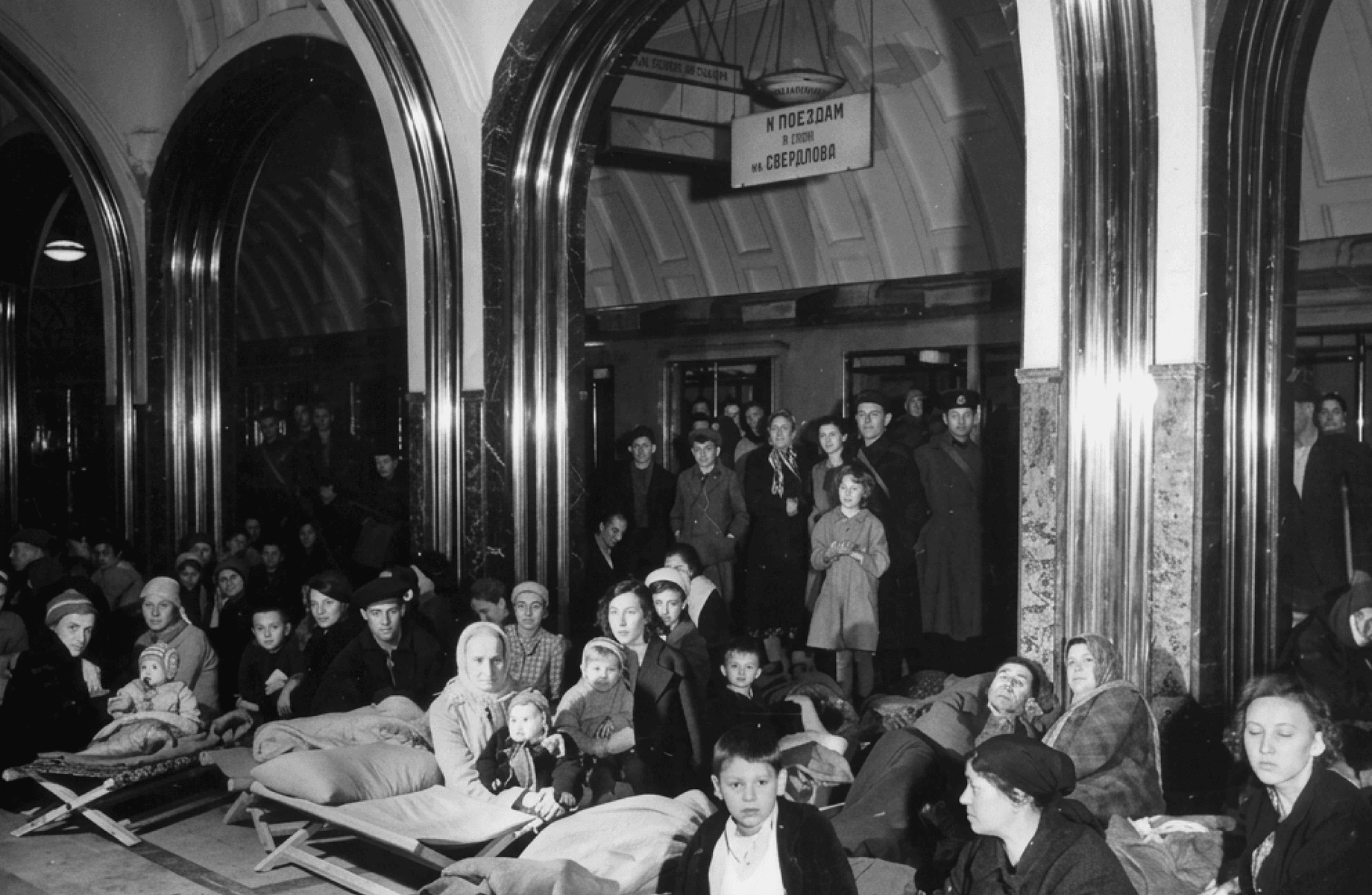
            Muscovites take shelter from another air raid at Mayakovskaya station/Margaret Bourke-White/Wikimedia Commons/CC-BY-SA 4.0
            background image

            source

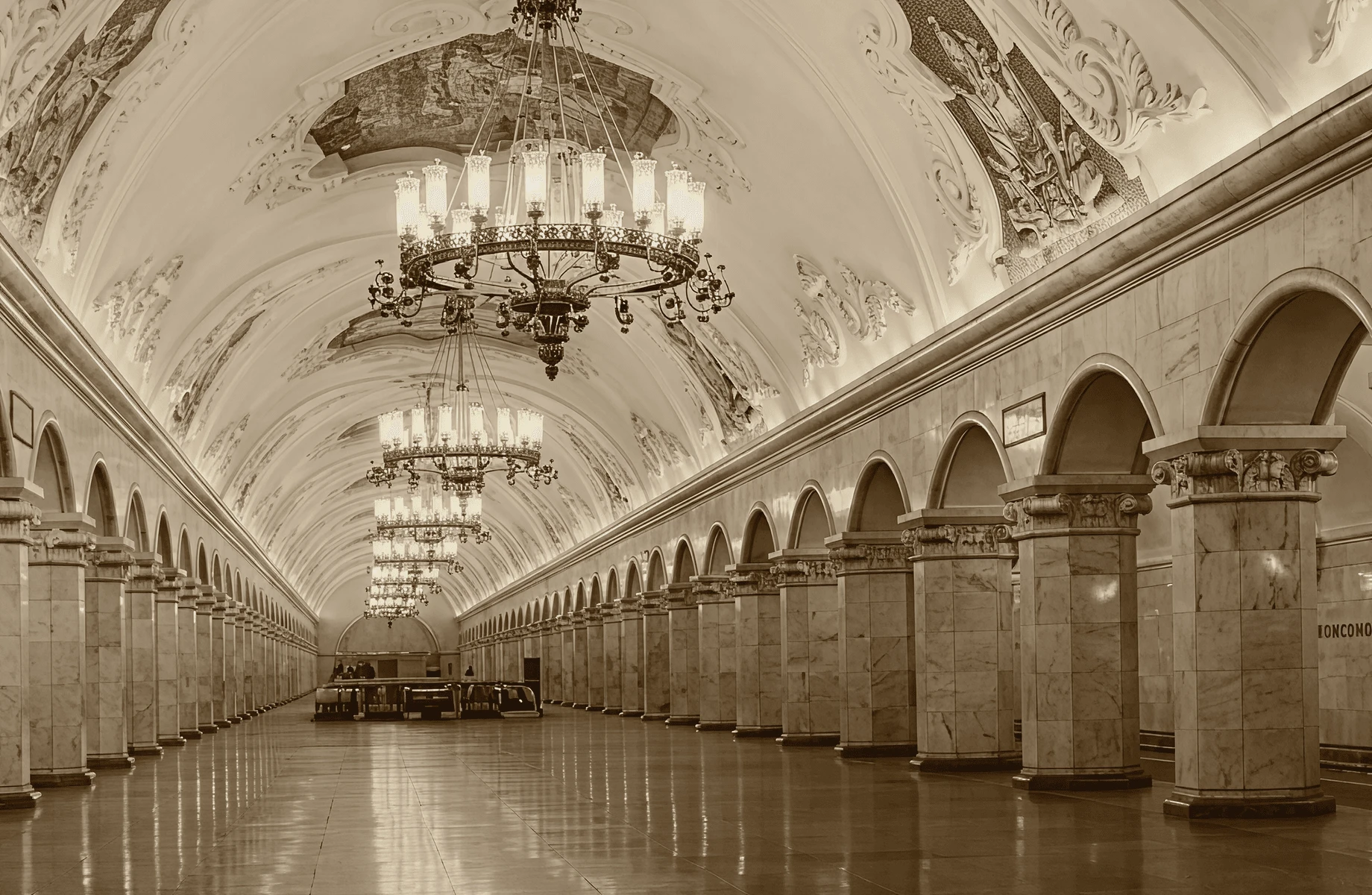
            Komsomolskaya metro station (circle)/Hans Sibbelee/ From the book «Moscow:Contacts with the Outside World»/uhead, pastvu.com
            background image

            source

            Luzhnetsky metro bridge with the Leninskiye Gory metro station located on the lowertier/Valery Shustov/Wikimedia Commons/CC-BY-SA 3.0
            background image

            source

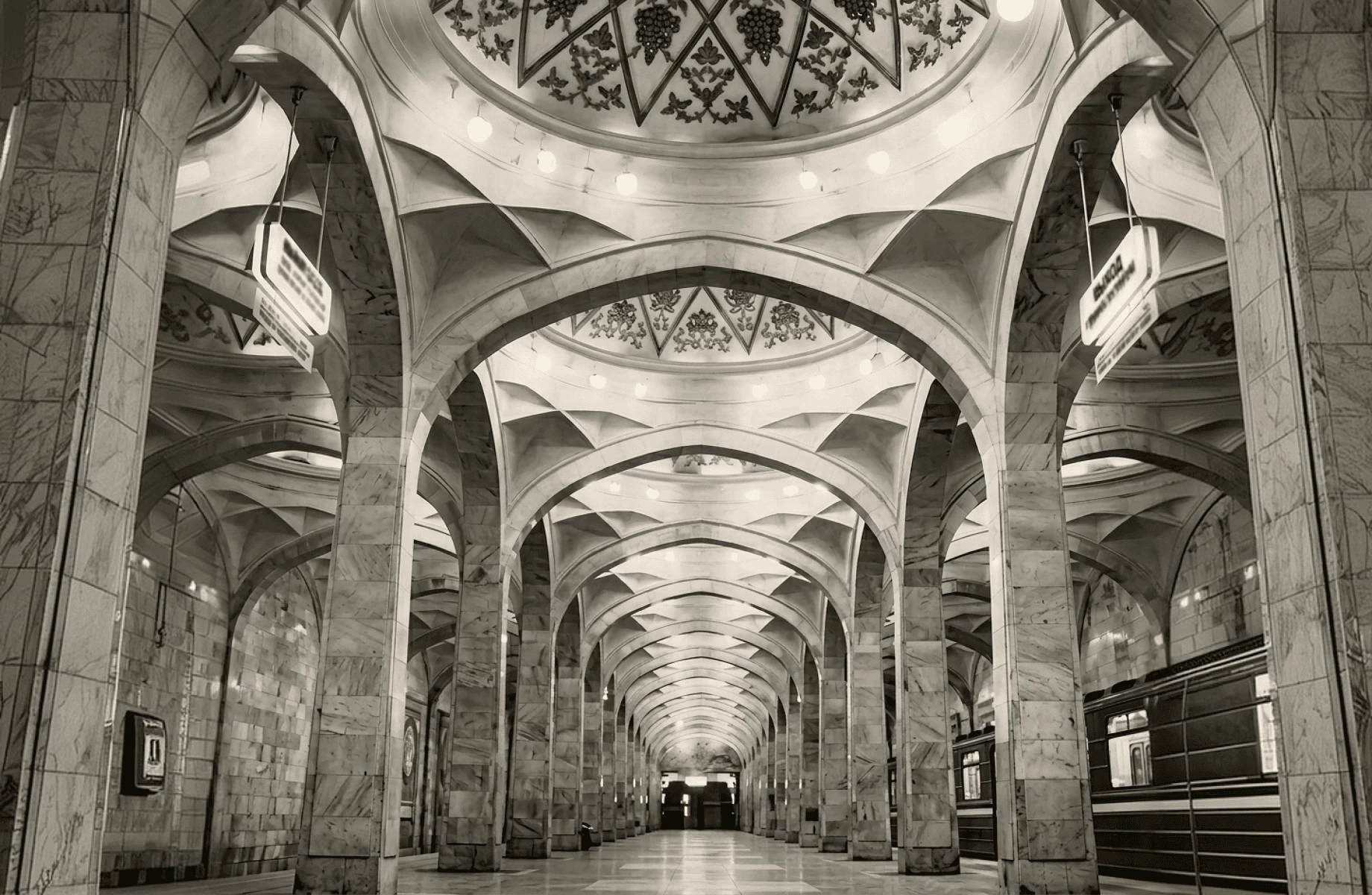
            Alisher Navoi metro station of the Tashkent Metro/V.P. Telegin/From the book «Architecture of Soviet Uzbekistan»/metrotashkent.narod.ru
            background image

            source

            Botanichesky Sad metro station of the Moscow Metro
            background image

            source

            Kutuzovskaya transport interchange/mos.ru
            background image

            source

            Zhivopisny Bridge/mos.ru
            background image

            source

            Pykhtino metro station of the Moscow Metro

            history

            1933–1940

            events

            • On June 1, 1933, the Central Design Office Metroproekt was created from the technical department of Metrostroy, bringing together engineers, designers, and architects to design the Moscow Metro system.

            • On May 15, 1935, the first segment of the metro was put into service — from Sokolniki station to Park Kultury station, with a branch to Smolenskaya station.

            • In 1938, the second segment was commissioned: service opened on the Gorkovskaya (now Zamoskvoretskaya) and Arbatsko-Pokrovskaya lines. By 1940, 22 stations had been built, with a track length of 24.5 km.

            • The Dvorets Sovetov (now Kropotkinskaya), Krasnye Vorota, and Sokolniki stations won the Grand Prix at the 1937 Paris World’s Fair, and Mayakovskaya station won the Grand Prix at the 1939 New York World’s Fair.

            history

            1941–1945

            events

            • Since the beginning of the Great Patriotic War, Metroproekt has been designing a number of defence facilities located in the existing and under construction structures of the Moscow metro.

            • The Moscow Metro operated in two modes: it carried passengers during the day and became a bomb shelter at night. In 1941, the stations protected approximately 13.9 million people from bombing raids.

            • The Institute continued developing designs for the Moscow Metro: in 1944, the third segment of the metro—sections of the Arbatsko-Pokrovskaya and Gorkovskaya (Zamoskvoretskaya) lines— was completed. Construction of the Circle Line began.

            history

            1946–1955

            events

            • In the early postwar years, the institute’s designs were used to restore railway tunnels in the Donbass, along the Black Sea coast, in Crimea, and the Carpathians, and construction of railway tunnels began in Eastern Siberia.

            • 1949 — First international project: providing technical assistance for the design and construction of the Beijing Metro (China).

            • In 1951, Metroproekt was transformed into the State Design and Survey Institute Metrogiprotrans.

            • In 1954, with the opening of its final section, the Circle Line of the metro was completed; its stations, in terms of architectural design, were compared to underground palaces.

            • A year later, the second metro system of the Soviet Union opened in Leningrad — its design was developed by a branch of the institute

            history

            1956–1965

            events

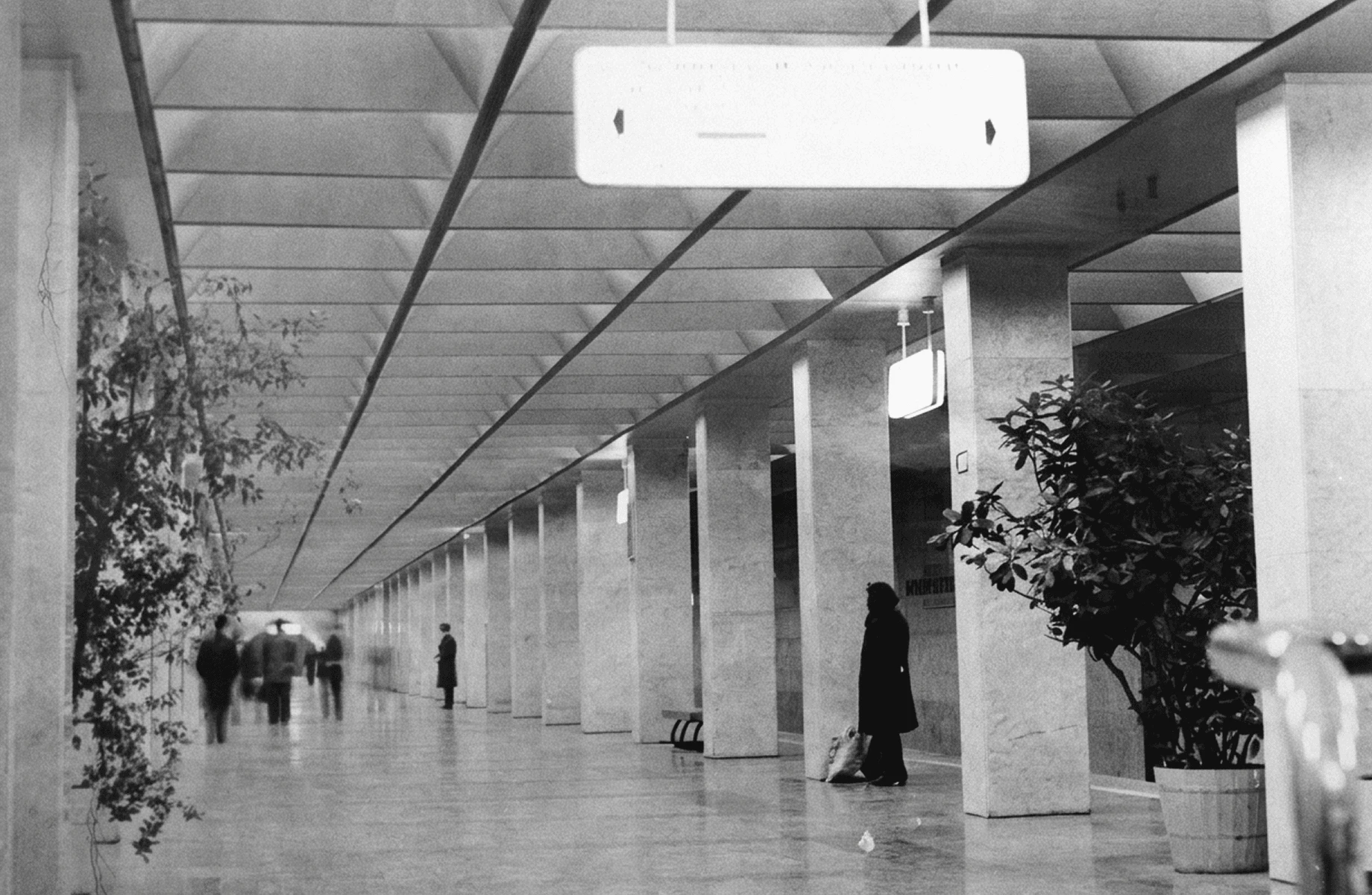
            • The Stalinist Empire style of the metro gave way to simplicity and cost-effectiveness. Metrogiprotrans engineers developed a standard station design made of precast concrete (the «centipede»).

            • The metro expanded into newly built areas on the outskirts of Moscow: existing lines were actively extended and new radial lines were built — Filevsky, Kaluzhsky, Rizhsky, and Zhdanovsky

            • In 1959, the «Lenin Hills» (now «Vorobyovy Gory») station opened — the first in the world to locate a station over a river on the lower deck of a highway bridge.

            • The institute’s designs were used to construct transport tunnels in Moscow, a high-mountain highway tunnel in Kyrgyzstan, and hydraulic tunnels in Tajikistan, the Kuban region, and the Don River

            • In 1961, Metrogiprotrans was awarded the Order of the Red Banner of Labor

            history

            1966–1978

            events

            • The Institute actively cooperated with foreign countries, providing technical assistance in the design and construction of metro systems in India, Bulgaria, Czechoslovakia, Poland, and Hungary, and also designed metro systems in the capitals of the Soviet socialist republics.

            • In 1971, the Ploshchad Nogina station (now Kitay-Gorod) opened in Moscow — a unique complex of two stations with cross-platform transfers between lines, the first typical deep-level station

            • In 1977, metro systems were operating in seven cities of the USSR: Moscow, Leningrad, Kyiv, Tbilisi, Baku, Kharkov, and Tashkent — all designed by local branches of Metrogiprotrans.

            history

            1979–1990

            events

            • The Kalininskaya and Serpukhovskaya lines were commissioned. In 1979, Tverskaya station opened — the first deep-level station in the world to be built on an existing section without interrupting train service or constructing bypass tunnels.

            • The institute continued to participate in the development of metro systems in Soviet cities with a population of over one million: the first sections were opened in Yerevan, Minsk, Gorky (now Nizhny Novgorod), Novosibirsk, and Kuibyshev (now Samara).

            • Metrogiprotrans specialists participated in the reconstruction of the Salang high-mountain tunnel in Afghanistan.

            • In 1985, Metrogiprotrans was awarded the Order of the October Revolution.

            history

            1991–2000

            events

            • By the time the USSR collapsed, the Moscow Metro had 147 stations, with a total track length of 239.5 km.

            • In 1995, a section of the new Lyublinsko-Timiryazevskaya Line was commissioned, and existing lines were extended. The institute’s specialists participated in the construction of the Tehran Metro (Iran).

            • The Kutuzovskaya Interchange, a unique five-level tunnel complex facilitating the movement of intersecting traffic flows, was built in Moscow according to a Metrogiprotrans design.

            history

            2001–2010

            events

            • Metrogiprotrans expanded its expertise: In 2003, the Lefortovo Tunnel, Moscow’s longest road tunnel (3,246 meters), was commissioned, followed in 2007 by the Zhivopisny Bridge and the North-Western Tunnel, the world’s first combined highway and metro line

            • The institute’s design included the construction of Terminal A at Vnukovo International Airport and the Vnukovo underground railway station, a unique structure integrated into its infrastructure, unparalleled in Russia.

            • The country’s first light metro and monorail lines opened, and the reconstruction of the Vorobyovy Gory station was completed.

            history

            2011– present

            events

            • Large-scale development of the Moscow Metro: Metrogiprotrans has designed more than 30 stations, including 12 stations on the Big Circle Line (the longest metro ring in the world at 70 km) and the Vnukovo Airport station (the first metro station in Russia located within an airport complex).

            • Metrogiprotrans is participating in the design of the Moscow-Kazan high-speed railway (HSR-2).

            • The institute is developing a project for extending the metro line in Yerevan, Armenia, including the Ajapnyak metro station and a metro bridge across the Hrazdan Gorge.

            • In St. Petersburg, the institute has developed feasibility studies for the construction of four metro lines. The first section of the new, sixth, line of the St. Petersburg metro, designed by Metrogiprotrans, has been commissioned.

            • In 2025, Metrogiprotrans began designing the Second Severomuysky Tunnel of the Baikal-Amur Railway — a duplicate of the longest railway tunnel in Russia (15.3 km).

            [04] / Team

            Experience of the past. Knowledge of the present. Projects of the future.

            90+

            years of experience

            100+

            cities

            2000+

            projects
            A strong team is the company’s pride and greatest resource. The wealth of experience accumulated by generations of designers and the expertise of today’s employees enable us to solve problems of any complexity.

            Digital Portrait

            quote

            1/8

            Metrogiprotrans is at the epicenter of transport infrastructure development both within cities and between them. We specialize in engineering highly complex projects, above and below ground. Our team of professionals transforms the boldest ideas into unique projects

            person avatar

            Valery Mikhailovich Abramson

            Managing Partner

            Continuously addressing current challenges and engaging with global practices allows us not only to leverage the Institute’s extensive experience but also to continually expand it, improving our knowledge and acquiring new competencies.

            person avatar

            Roman Alekseevich Yevtushenko

            General Director

            The strength of any successful organization lies in its people. Our unique team of hereditary designers is the pride and greatest asset of Metrogiprotrans

            person avatar

            Pavel Viktorovich Abramson

            Deputy General Director

            True megaprojects can only be realized through conscientious collaboration with clients and reliable partnerships with contractors.

            person avatar

            Mikhail Valerievich Abramson

            Executive Director

            We design unique structures. Each new project sparks new ideas and knowledge—this allows us to continually improve our professional skills

            person avatar

            Maxim Aleksandrovich Vinogradov

            Chief Engineer

            The Vitruvian triad of 'utility, strength, beauty' applies primarily to transport infrastructure, and safety is added to it

            person avatar

            Leonid Leonidovich Borzenkov

            Chief Architect

            The synergy between the architectural, design, and engineering departments allows the institute’s specialists to create the most complex transport infrastructure projects

            person avatar

            Boris Yuryevich Polyakov

            Director of Production

            With its extensive experience, Metrogiprotrans solves problems of any complexity and offers a full cycle of services: from pre-design to commissioning

            person avatar

            Alexander Valerievich Tverdokhlebov

            Director of Design Management